
Parker Toastmasters
  • Home
  • About
    • Contact Us
    • Frequent Questions
    • Location
    • Our Club
      • Our Officers
      • Our Members
    • Pathways Steps
  • How to:
    • Join Club & Cost
    • Renew Membership
    • Perform Roles
    • Get Mentorship
    • Downloads
    • Articles
    • Virtual Meeting Docs
  • Blog
  • Videos

In Appreciation of Gestures

February 26, 2010 / Parker Toastmasters / Articles, Blog

Written by Paul Johnson | 26 February 2010

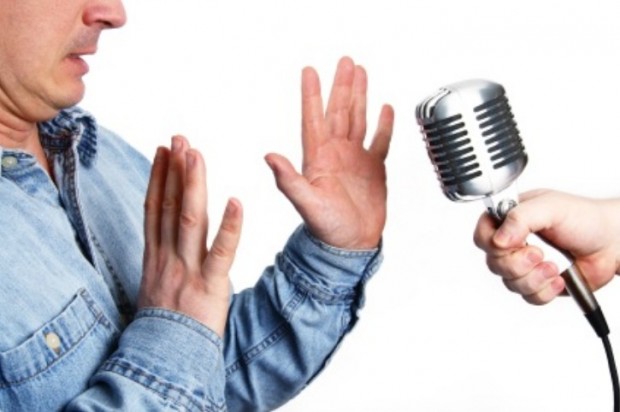
As you prepare a speech, your focus is very likely on what you believe your audience will hear. Questions that come to mind may include: Am I speaking clearly and not too fast? Am I speaking loud enough to be heard? Am I enunciating my words? All are valid questions, but they may cause you to overlook a critical aspect of any speech: what your audience sees.

Speech coach Andrew Dlugan notes that “Your body will naturally want to move as you speak. Don’t inhibit these natural gestures as they convey a sense that you are comfortable and confident in your message.” Awareness of this fact is the first step to ensuring that your non-verbal communication will be impactful and enhance your speech rather than distract from it.

Awareness and control of gestures begins with understanding that it is perfectly appropriate for them to be deliberate. The natural human inclination is to under-exaggerate gestures less they be perceived as unusual or distracting. However, in a Toastmasters speech, which is done before a room or auditorium, large gestures are necessary as the audience is more spread out than they would be at a conference table. Dlugan notes that these full-body gestures should originate from the shoulders.

Another key to using body language effectively is to recognize and avoid some common gesture mistakes. The first of these is to use no gestures at all. Statue-like poses can convey a sense of uneasiness which becomes a distraction. Misuse of hands is also a common failing. Hands in pockets, behind the back or fidgeting hands also do not convey the sense of poise and control necessary for an effective speech. My personal favorite bad gesture is what is sometimes referred to as “alligator arms.” In this case, arms are held close to the body which the elbows touching the bottom of the rib cage and the hands never extending beyond shoulder width. Try it (if you’re not already making alligator arms as you read this!) and you’ll see why it’s important to start arm gestures at the shoulders rather than the elbows.

The opposite of avoiding mistakes is recognizing and implementing effective gestures. There’s no single laundry list, but some basic concepts should be kept in mind. Gestures should coincide with your key points. As Dlugan notes, they should mimic the topic on which you are speaking. Allow your body language to serve as a symbol for an object or action on which you are speaking. Variation is also an important technique to keep in mind. Some gestures may start to feel comfortable, but be sure not to come back to them too often.

Finally, don’t forget facial expressions. The audience will notice gestures with arms and hands, but they will most likely begin by looking at your face. Though sometimes uncomfortable, practicing in front of a mirror ensures that your facial expressions convey the emotions you want associated with your topic.

Lastly, imitation is the sincerest form of flattery. Take some time to watch the gestures of successful speakers and learn practice incorporating them into your own speeches.
Toastmaster ABC’s

October 19, 2009 / Parker Toastmasters / Articles, Blog

Written by Jason Stauffer | 19 October 2009

Many who know me have probably picked up on my near fanaticism with a well-run meeting. Our club allots 90 minutes for each meeting, which never seems to be an issue. However, we who take on the immense responsibility of Toastmaster for the evening often get in a hurry to move things along rather than taking the meeting step-by-step. Trust me, I’m just as guilty as the next person. So, let’s focus on the portions of the meeting, as laid out in the agenda, that tend to get missed: assignments, introductions, and order.

Assignments

It is crucial for every toastmaster to ensure all roles are filled prior to starting the meeting. This can be a challenge for nights with low attendance. However, this should not necessarily lead to altering the agenda. Some people will often take on dual roles. For example, it would not be impossible for someone to be Grammarian and General Evaluator. On the contrary, one compliments the other very well. So look for those opportunities to “kill two birds with one stone” when needed. Pay particular attention to roles that often get missed, such as speech evaluators. The speakers are generally responsible for acquiring their evaluators, but the Toastmaster should ensure that this has been done to avoid an embarrassing situation during the meeting. Please note that, while being diligent to assign roles, one should avoid assigning roles to visitors. It usually takes one or more meetings for visitors to get the flow of the meetings and understand the responsibilities for each role.

Introductions

Often, the Toastmaster will jump right to introducing the first speaker without first providing role introductions. In our club, it is customary to give each person with a role 30 seconds to tell everyone what he or she is responsible for doing.

This serves two purposes:

1) speakers will know who they are relying on, such as the Timer, and will be looking for that person during his or her speech, and

2) it gives the visitors an opportunity to understand what they will be seeing and hearing, thus making them feel like integral members of the group.

Order

Few parts, if any, of the meeting are interchangeable. An extreme example would be the speech evaluation occurring before the speech itself. However, the order does tend to get mixed up from time to time and can interrupt the smooth flow of a meeting. The place for the Timer to introduce his or her duties is not when he or she gives the report, it’s before the first speech is given. Likewise, never forget to allow the speech evaluator to introduce the speaker’s project, as this will give everyone the objective of the speech and allow them to give a focused evaluation.

So, what do all of these items have in common? The agenda. Have your agenda created in advance and available to you during the entire meeting. The agenda will help you assign roles, remember introductions, and get the order right!

Mastering Table Topics

September 10, 2009 / Parker Toastmasters / Articles, Blog

Written by Mark Cohen | 10 September 2009

A member is chosen at the beginning of each meeting to head a portion of the meeting called Table Topics. A subject is chosen at random by this leader from a deck of cards which have ideas printed on them. The group is then asked to volunteer to share a one or two minute part of their insight on the topic or a personal experience with the group. Fortunately for some of us, the most alert attendees at each meeting volunteer first! Table Topics is a way for each member to gain confidence speaking in front of a group of people without preparation.

Table Topics are a give and take experience. They allow the speaker a chance to reveal something about himself. At the same time, the speaker gains experience with impromptu speaking. For a guest or a new member, this can be a little intimidating at first, but, as in all things, the person overcomes the fear and succeeds. I’ve been a member for several months and I’ve yet to see anyone fail. Newly found success breeds confidence. This is the essence of Toastmasters.

Everyone has the ability to excel at Table Topics, but most people don’t realize it. A short monologue is all you need. If you’ve held a conversation with another person and spoken continually for a minute or two (like briefly recounting an experience), you’ve already done it!

One of the tricks seems to be overcoming the need to fill every second with sound from your own voice. That’s what causes us to use “umm’s” and “ahhs”. You will eventually realize you don’t have to speak constantly. Intentional pauses help. Another thing I try to do is to use eye contact with most, if not all of the members of the audience. Most of the time, their honest reactions are calming to me. I overcome shyness by trying to become more aware of my desire to share my story with everyone.

It’s interesting to hear other people tell their stories. I enjoy watching the mannerisms and noticing the accents of other speakers. Their body language can be enjoyable and I learn things about public speaking from them. The more experienced speakers can teach us the most, so pay attention!

At first I wanted to avoid Table Topics, but I now look forward to it. The sharing of ideas and life experiences with others in a group setting is very fulfilling. At the same time I know I’m gaining confidence for speaking in front of others. As in life, you get what you give, so let’s hear from you!

«‹121314

Information


Contact Us

Contact Us

Meeting Role Signup

Sign Up


Club Meetings

We meet regularly most Thursdays from 6:30-8:00pm in person at the locations specified below, with exceptions for holidays, severe weather or special events.

We like everyone to arrive by 6:15 PM so we can meet everyone and start on-time.


Visitors

Visitors are always welcome! Reach out by using the Contact Us button above or via Facebook Messenger on our Facebook page . We are happy to answer any questions and appreciate you letting us know when you want to visit.


Meeting Calendar

July 10, 17, 24, 31
August 7, 14, 21, 28
September 4, 11, 18, 25
October 2, 9, 16, 23, 30

Location

Parker Toastmasters meets at the Parker Library from 6:30-8:00pm for majority of our meetings. For days we were not able to get Library room reserved, we will be meeting either at different location or remote.


(c) 2022 Parker Toastmasters